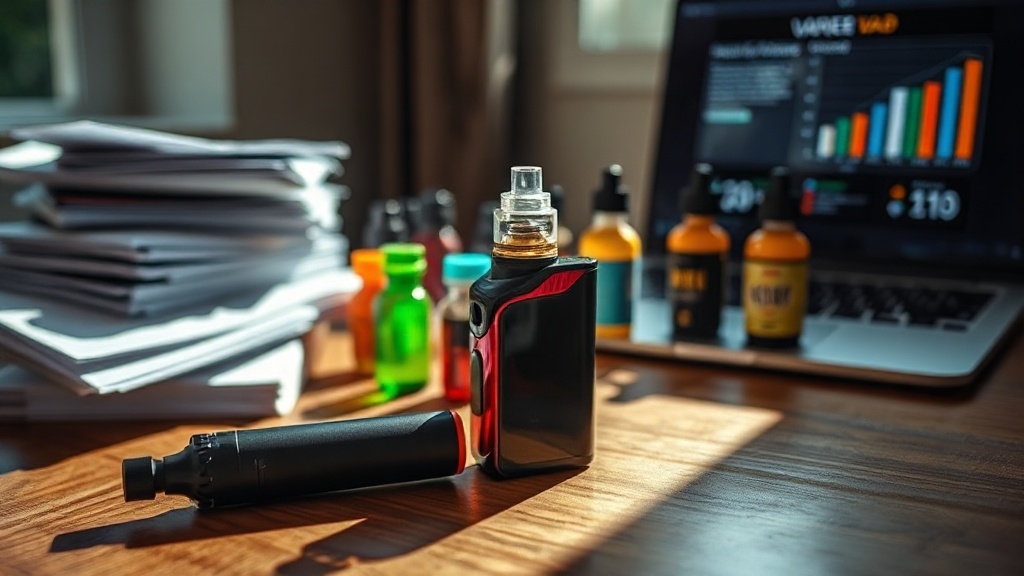
Can Occasional Vaping Develop Into a Regular Habit? brings together product details, personal habits, and health awareness.
Good decisions start with context. Nicotine level, frequency, stress, cost, and past attempts to quit can all change what matters most.
Some families compare device information while also looking for a Recovery Center. Keeping those goals separate can make the next decision clearer.
Brief Overview
- Dependence can grow from occasional use. Nicotine strength is only one part of total use. Routine, stress, and access can reinforce cravings. Simple tracking can reveal hidden patterns. Professional support is useful when change feels hard.
How Dependence Warning Signs Shapes the Decision
People often notice occasional vaping only after it has become part of a routine. Cravings may appear at set times, in social settings, or after a strong emotion. Record each use for several days before trying to change the pattern. This makes the next step easier to explain and review. The number of sessions may matter as much as the strength printed on the label. This helps with occasional vaping.
A second look at dependence warning signs may reveal a trade-off. A label shows concentration, but it does not show how much a person will inhale in a day. Delay one routine use and replace it with a short, planned activity. Nicotine can cause dependence even when use began as occasional. A trusted person can help review the pattern without turning the process into punishment.
A Practical Look at Seeking Qualified Support
Understanding occasional vaping can make hidden patterns easier to see. Short notes about time, place, mood, and use can reveal a pattern that memory misses. Record each use for several days before trying to change the pattern. That simple habit can make progress easier to see. Change is easier to measure when the goal is specific, such as fewer sessions or longer gaps.
A second look at seeking qualified support may reveal a trade-off. Cravings may appear at set times, in social settings, or after a strong emotion. Ask a clinician for help when cravings, withdrawal, or repeated relapse feels hard to manage. Nicotine can cause dependence even when use began as occasional.
Lowering Risk Through Awareness
People often notice occasional vaping only after it has become part of a routine. Tolerance can lead a person to use more often or seek a stronger effect. Keep nicotine products out of sight and away from children and pets. That approach keeps the decision tied to real needs.
A second look at lowering risk through awareness may reveal a trade-off. Short notes about time, place, mood, and use can reveal a pattern that memory misses. Record each use for several days before trying to change the pattern. People who do not use nicotine should not start vaping for a claimed benefit.
Reading the Nicotine Information for Occasional vaping
The topic of occasional vaping is about both the product and the habit around it. Frequency, strength, stress, and easy access can all shape the pattern of use. Set a clear reason for change and share it with one trusted person. That simple habit can make progress easier to see.
A second look at reading the nicotine information may reveal a trade-off. A label shows concentration, but it does not show how much a person will inhale in a day. Ask a clinician for help when cravings, withdrawal, or repeated relapse feels hard to manage. People who do not use nicotine should not start vaping for a claimed benefit. Families looking into Rehab in India may also need clear facts about nicotine use. A qualified assessment can help them separate a device habit from a broader treatment need.
How Tracking Frequency and Strength Shapes the Decision
Occasional vaping deserves careful attention because nicotine can create dependence. Cravings may appear at set times, in social settings, or after a strong emotion. Record each use for Rehab in India several days before trying to change the pattern. A calm review is more useful than a rushed choice.
A second look at tracking frequency and strength may reveal a trade-off. Short notes about time, place, mood, and use can reveal a pattern that memory misses. Delay one routine use and replace it with a short, planned activity. Withdrawal can affect mood, focus, and sleep, so support may be useful.
Frequently Asked Questions
Why Does Occasional vaping Matter?
It matters because occasional vaping can affect cost, daily use, and health choices. Frequency, strength, stress, and easy access can all shape the pattern of use. A careful review keeps one feature from controlling the whole decision.
Does Occasional vaping Work the Same Way for Everyone?
No. People differ in frequency, goals, health, stress, and past nicotine use. A label shows concentration, but it does not show how much a person will inhale in a day. Personal context is more useful than a general promise.
What Should an Adult Check First?
Start with the label, the reason for use, and the main risk. Delay one routine use and replace it with a short, planned activity. This creates a clear base for comparison.
When Is Professional Support Worth Considering?
Support is useful when cravings, repeated use, withdrawal, or wider substance concerns affect daily life. A stronger label is not a simple measure of satisfaction or safety. A qualified professional can assess the next step.
How Can Someone Review the Decision Over Time?
Use a short weekly note. Set a clear reason for change and share it with one trusted person. Review what changed, what stayed difficult, and whether the plan still fits. Pregnant people and young people should avoid nicotine and seek professional guidance.
Summarizing
Can Occasional Vaping Develop Into a Regular Habit? is not about chasing the largest number or the quickest result. It is about making a clear choice, watching the effect, and changing course when needed.
Use the information as a starting point, not a promise. Adults who feel unable to control nicotine use should seek qualified help and include wider recovery needs in the discussion.